I Didn’t Start Birding to Be Impressive
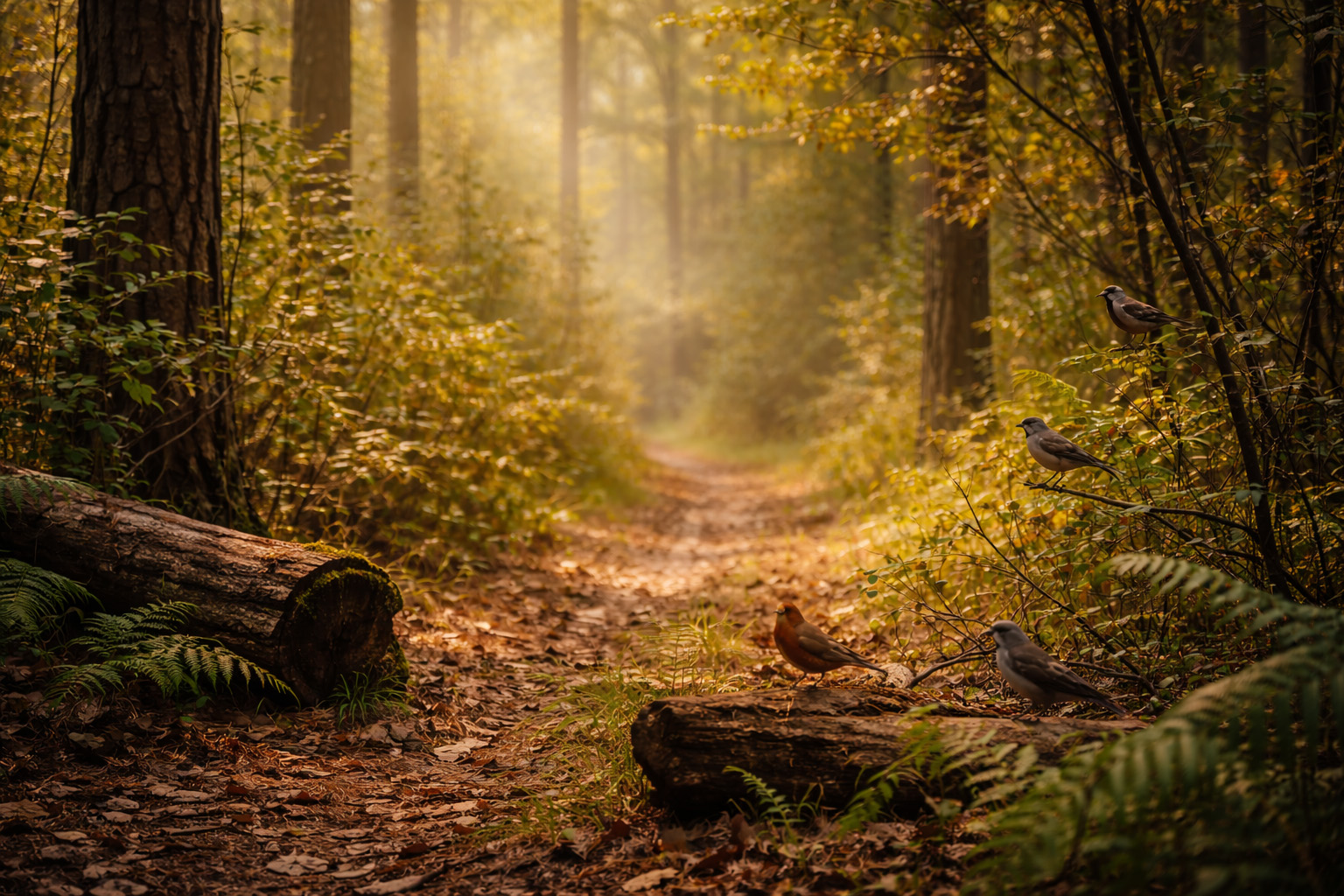
I didn’t start birding to build a list, collect accolades, or prove anything to anyone standing next to me on a trail. I started birding because one day I realized I was seeing birds but not actually seeing them.
That moment usually sneaks up on you.
For me, it happened years ago on a job site in East Texas. I was supposed to be evaluating land. Instead, I stood there far too long watching a bird flick its tail, drop to the ground, hop back up, and repeat the whole routine like it was trying to explain something important. That bird turned out to be an Eastern Phoebe, and once I knew its name, I noticed it everywhere. Not just the bird, but the behavior, the timing, the places it chose to be. The world got bigger and sharper at the same time.
That’s how birding works when it sticks.
I’ve been birding Texas for a long time now. Long enough to know that the birds don’t care how many species you’ve seen, what lens you’re carrying, or whether you can remember the difference between a Sharp-shinned and a Cooper’s Hawk without muttering to yourself. They care about wind, water, cover, food, and whether you’re standing too close.
I like birding because it rewards patience.
It also punishes impatience, which I find character-building.
I’m not here to tell you the “right” way to bird. I’m here to encourage you to slow down enough that the birds stop feeling rushed around you. Watch how they move before you reach for a field guide. Listen longer than you think you need to. Pay attention to where you are, not just what you hope to see.
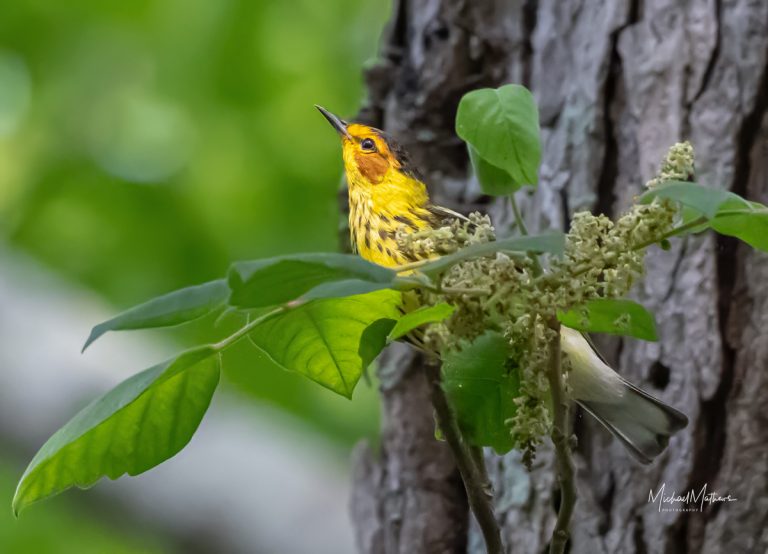
Photography came later for me, and it followed the same rule. I don’t chase perfect portraits. I wait for moments. A wing stretch. A sideways glance. A bird doing something birdish that lasts about half a second and never happens again in quite the same way. If the photo isn’t sharp enough to win anything, that’s fine. I was there. I saw it.
You won’t find me on social media talking about birds, arguing about identifications, or announcing what I saw before breakfast. That’s not a moral stance; it’s a sanity measure. I prefer writing where thoughts can finish a sentence and readers can finish a cup of coffee.
This blog will be about birds, yes, but also about paying attention. About mistakes made in the field and lessons learned five minutes too late. About Texas birds in Texas places, doing what they’ve always done whether we notice or not.
If you’re new to birding, welcome.
If you’ve been doing this for decades, pull up a log and stay awhile.
If you’re somewhere in between, you’re in good company.
The birds will still be there tomorrow.
That’s one of the best things about them.
Mags Holloway
The birds will still be there tomorrow. Pay attention today.
“`
About The Author

 Michael Mathews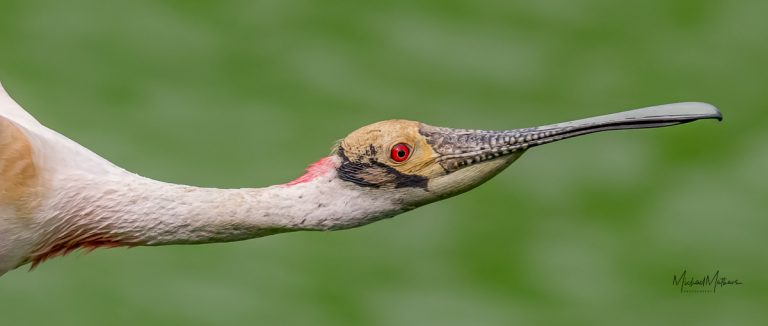

Good evening,
I am a ‘newish’ landowner in South Texas. I recently became the sole owner of my Dad’s 143 acre ranch in Zapata County that I am interested in developing in what I would refer to as eco-tourism or otherwise potentially public recreational opportunities in order to pursue income, conservation and educational opportunities on the ranch. I am a resource conservation professional working for the federal government, and have had a wonderful career working with many private landowners who collectively owned hundreds of thousands of acres across several hundreds of individual properties primarily in South and Far West Texas. My experiences have brought me to your website. I am interested in learning about the birding community, and if perhaps you had access to a private landowner network where others have opened their ag operations to the birding community. I’ve looked on your site, and you list several publicly available areas where birders have access, but I am not sure if there would be an interest or a demand for accessing birding opportunities on private land. I do know that what kind of birds are on the property at any given time of year is the predominate reason for birders being able to cross names off of a list, but was wondering if you could share some of your insight with me on how the birding community would be amenable to something what I just described. Thanks for your time and thanks for your blogs. I am relatively new to birding in the sense of actually paying attention and identifying birds by species, as I have always been more of a botanist, but as I get older, the world starts to appear so much more clearer, and birds have found a way into my heart and goal of conserving the small piece of South Texas. Thanks for your time and look forward to a response. Respectfully, -Sonny
Many of us were late to get our feathers and become birders. 🙂 I was a bit slow to get here myself.
Birding is the 2nd most popular hobby in the U.S., and the number of serious birders continues to grow. More and more people are looking for places to bird, especially with their cameras. There is a growing number of landowners who have taken advantage of this trend–some by offering birding opportunities on their properties, and others do the same but with photography as a major part, which can be more profitable. Both ventures usually start by evaluating the property and installing bird blinds in suitable locations. Having a level of expertise is, of course, an advantage. With the photography angle, it may be feasible to partner with a local bird expert and/or a bird photographer (expert/pro) to offer “adventures”, workshops, etc.
None of this is within my area of expertise, but I have spent time in such locations.
Maybe someone else with more experience in this area will chime in.
I wish you good luck with your venture.