How to Quickly Attract Hummingbirds in Texas: Feeders, Nectar Recipe, and 10 Tips
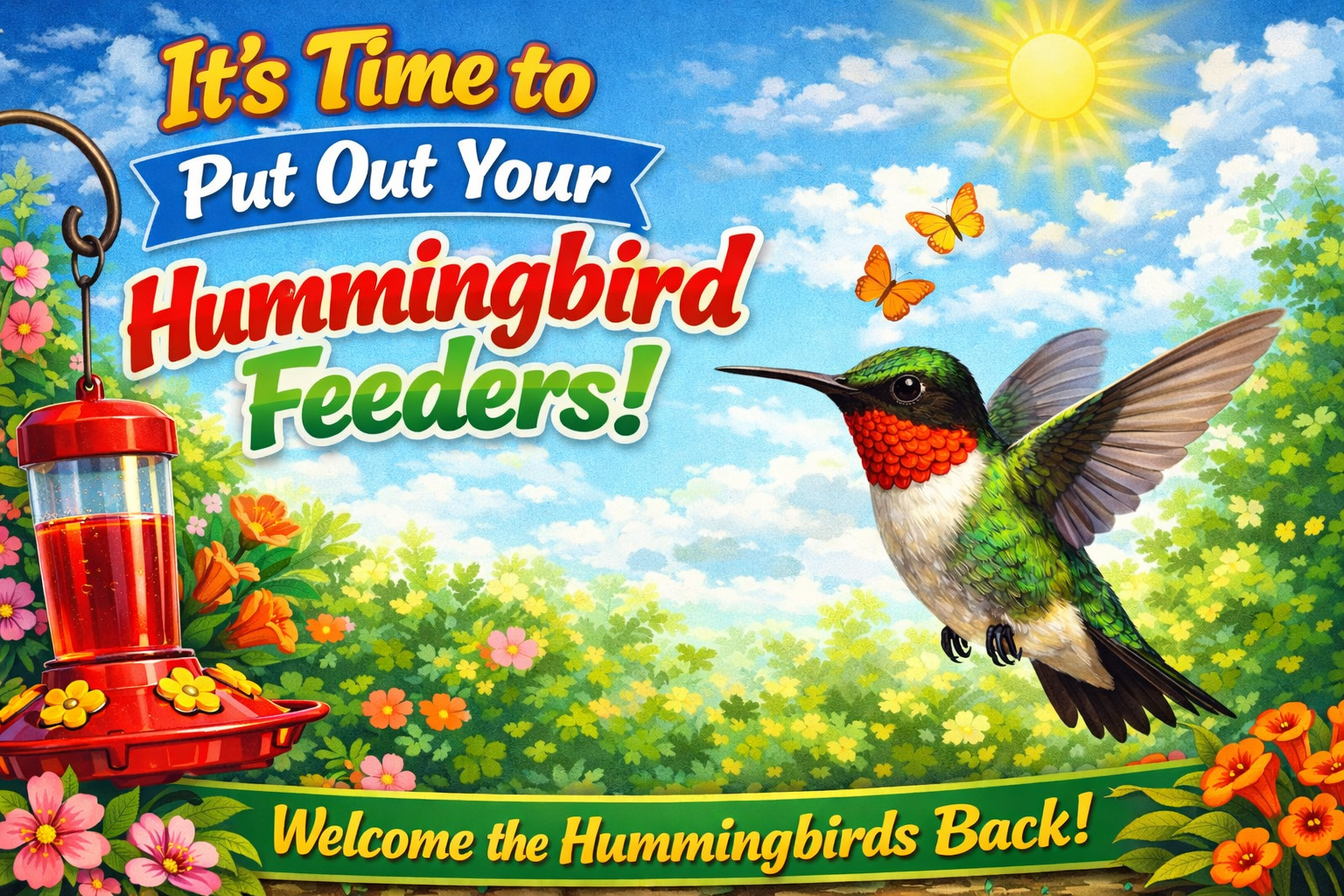
Its time for Hummingbirds in Texas. Every spring there comes a moment when the air feels a little lighter, the flowers start plotting their grand entrance… and somewhere far to the south a Hummingbird revs up his tiny jet engine and points his beak toward Texas.
That moment has arrived.
It’s time to put out your hummingbird feeders.
For many of us in Texas and the Southeast, the first Hummingbirds of the season can appear surprisingly early. These birds migrate thousands of miles, and when they arrive they’re hungry enough to drink a small swimming pool of nectar. Having feeders ready gives them an immediate energy stop after their long journey.
Below is a quick refresher on how to do it right.
The Correct Hummingbirds in Texas Nectar Recipe
The best hummingbird nectar is also the simplest.
Recipe
- 1 part plain white granulated sugar
- 4 parts water
Example:
1 cup sugar + 4 cups water
Steps
- Bring the water to a boil.
- Stir in the sugar until completely dissolved.
- Let the solution cool.
- Fill your feeder.
That’s it. No secret ingredients. No hummingbird wizardry required.
In fact, simplicity is exactly what hummingbirds need.
Things You Should Never Add
Some well-meaning people treat hummingbird nectar like they’re making grandma’s lemonade. Resist the temptation.
Do NOT add:
- Red food coloring
- Honey
- Brown sugar
- Artificial sweeteners
- Fruit juice
- Molasses
These can promote dangerous fungal growth or fermentation that may harm hummingbirds in Texas. The feeder itself is usually red and attractive enough. The birds will find it just fine without turning the nectar into a science experiment.
Plain white sugar and water mimics the natural sugar concentration of flower nectar better than anything else.
Keep Feeders Clean (This Is Important)
Hummingbirds have extremely small digestive systems, which means dirty feeders can quickly become dangerous.
Follow these simple cleaning rules:
Normal weather
- Clean feeders every 3–5 days
Hot weather
- Clean feeders every 1–2 days
How to clean
- Empty remaining nectar.
- Rinse with hot water.
- Scrub with a bottle brush if needed.
- Allow to air dry before refilling.
If mold appears, soak the feeder in a weak vinegar solution or mild bleach solution (then rinse extremely well).
Think of a hummingbird feeder like a tiny restaurant. If the kitchen gets dirty, the customers suffer.
Where to Place Your Feeder
Location matters.
A good hummingbirds in Texas feeder spot should be:
- Partially shaded (keeps nectar fresh longer)
- Visible to birds flying overhead
- Near flowers or shrubs for cover
- Away from heavy foot traffic
Many birders place feeders near a window so they can enjoy the show while sipping coffee and pretending they planned this whole nature-documentary moment.
Planting Helps Too
Feeders are wonderful, but hummingbirds in Texas also rely heavily on natural nectar sources.
Great hummingbird plants include:
- Salvia
- Coral honeysuckle
- Turk’s cap
- Bee balm
- Cardinal flower
- Trumpet vine
A yard with flowers plus feeders becomes a hummingbird airport with multiple fuel stations.
A Few Extra Tips from Experienced Birders
- Put feeders out before hummingbirds arrive.
- Leaving feeders out does not delay migration in the fall.
- Multiple feeders can reduce territorial fights.
- Keep ants away using ant moats.
And yes… the first bird will always appear five minutes after you go inside.
Welcome Back, Little Helicopters
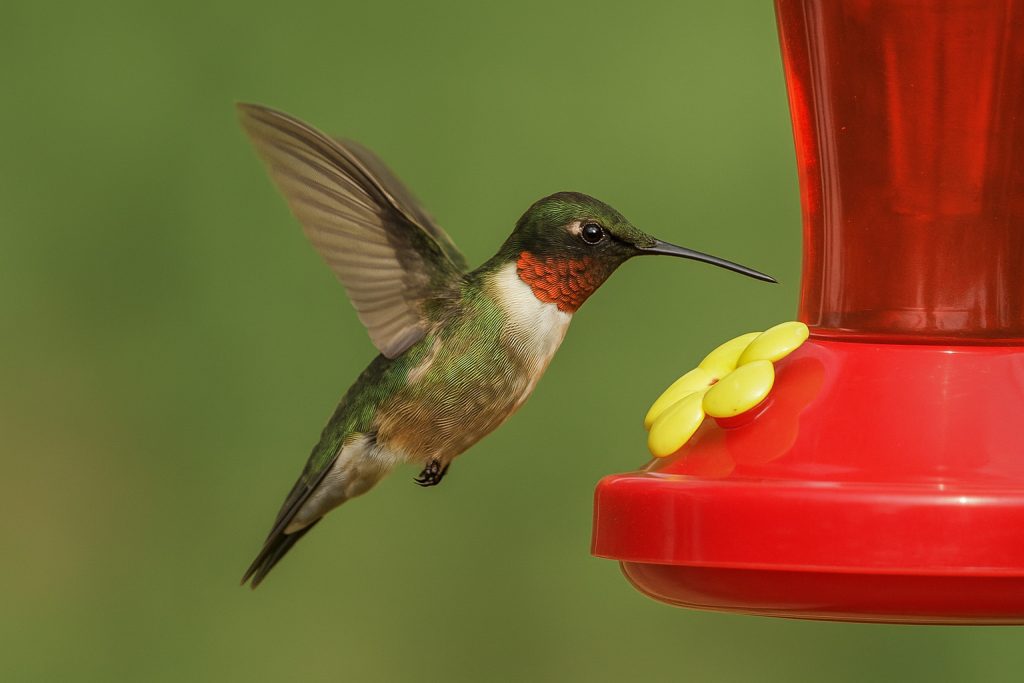
The arrival of hummingbirds is one of the most delightful signs of spring. One moment your feeder is quietly hanging there, and the next moment a tiny emerald missile hovers in front of it like a jewel with wings.
Put those feeders out, mix up a fresh batch of nectar, and get ready.
Its time for Hummingbirds in Texas.
About The Author