The Ultimate 2026 2-Day High Island Birding Guide
 Michael Mathews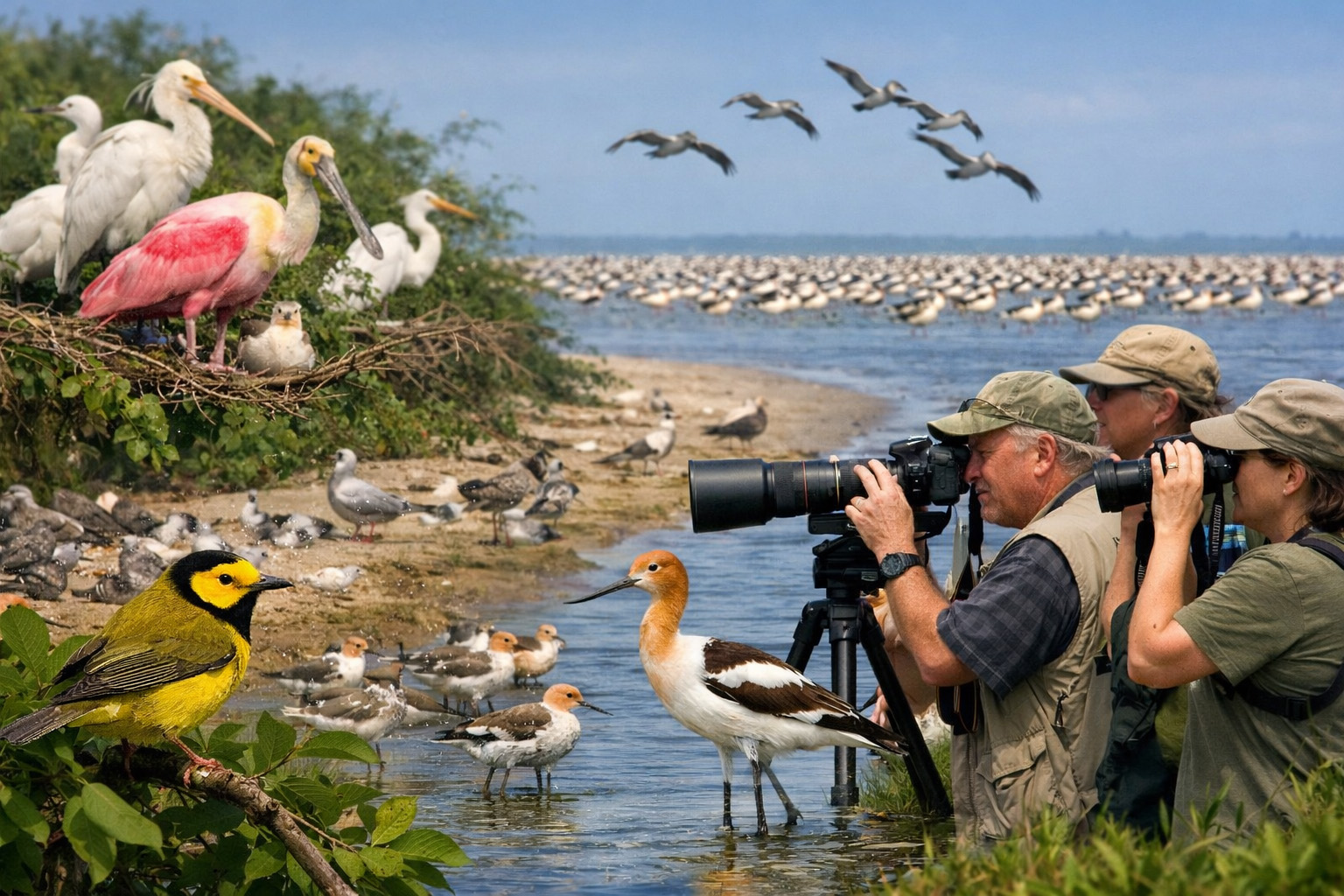
Best Places, Secret Stops, and Peak Migration Birds
This is based on my first two weeks of April, but remember, that was the normally slow period. Things can change during the second half of the month and, this year, I sure hope that is true.
Here is a suggestion for making the best of a two-day visit.
If you only have two days to bird the High Island area, you can still pack enough birds, feathers, mud, mosquitoes, shorebirds, warblers, and seafood into those 48 hours to make your binoculars file a formal complaint.
This is the route I most often use with visiting groups. It is not carved in stone. Birding is part science, part luck, and part standing under a tree staring upward while trying not to look like you have lost your car keys. But this plan has worked very well.
Day One: Warblers, Shorebirds, and the Great Spoonbill Spectacle
8:30 AM: Hooks Woods
Start the morning at Hooks Woods, located on 1st Street just west of Highway 124.
Hooks Woods is small, but never underestimate a tiny patch of coastal woods during spring migration. A little grove like this can suddenly become a feather-stuffed elevator lobby for migrants that have just flown across the Gulf.
Walk the entire boardwalk, but I usually end up lingering at the larger drip area with the two sets of bleachers. It is the second right after you enter through the gate. Sit there a while and let the birds come to you. That strategy is surprisingly effective and requires very little cardio.
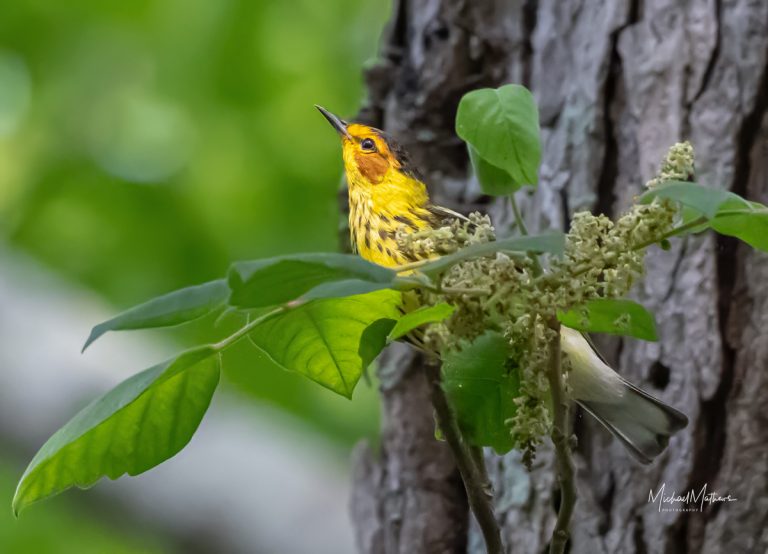
Recently, this spot has been producing a few Hooded Warbler and at least one or two Kentucky Warbler.
9:45-ish: Boy Scout Woods
When Hooks begins to slow down, head over to Boy Scout Woods on 5th Street just east of Highway 124.
One of the best places to start is right at the drips near the entrance. Grab a bench or bleacher seat and wait a few minutes. Migrants often appear here as if they have just stepped off a very long, very windy overnight flight.
After that, walk straight back to the long boardwalk, turn right, and continue around toward Prothonotary Pond. Along the way you will pass through the neighbor’s yard, where the sign cheerfully announces that birders are welcome. In High Island, even the yards sometimes come with bonus warblers.
There is a trail map just inside the entrance, and honestly, anywhere in Boy Scout Woods has the potential to produce something memorable. Lately it has been a bit slow, but “slow” at High Island can still include enough birds to make you forget where you parked.
Bonus Stop: The Houston Audubon House
Before leaving the area, cross the street to the Houston Audubon House.
Just to the right of the house are two benches that can be surprisingly productive. Sometimes these benches seem to have entered into a secret arrangement with the birds. You sit. They appear. Everyone leaves happy.
Lunch Break: Stingaree’s
By now, you may be hungry to start looking longingly at some of the plumper birds you have been admiring.
Head toward Stingaree Restaurant & Marina. From 5th Street and Highway 124, turn left and follow the road until it becomes Highway 87. Continue until you see the Valero station, then turn right and follow the signs.
The meals here are enormous. Not merely “good portions.” These are the sort of plates that arrive at your table with the confidence of a marching band. If you leave hungry, it is your own fault.
Early Afternoon: Bolivar Flats
After lunch, continue west on Highway 87 until you reach Rettilon Road. Turn left and follow it toward Bolivar Flats Shorebird Sanctuary.
As you drive down the road, check every little pond. These roadside puddles occasionally produce avocets, stilts, unexpected ducks, or some rarity that turns your quiet drive into an emergency brake test.
When you reach the beach, turn right and continue about a mile until you reach the barrier. Park, walk past it, and head down the beach.
This is where the coast turns into a living conveyor belt of birds. You will likely see:
- Tiny sandpipers darting around like wind-up toys
- Willet
- Multiple species of plovers
- Several kinds of gulls and terns
- Passing lines of Brown Pelican
- Possibly hundreds upon hundreds of shorebirds
If you continue far enough around the curve toward the flats, there have recently been nearly 1,000 American Avocet. Fair warning: it is a long walk. The birds are out there, but they are not waiting at the curb waving.
2:00 or 3:00 PM: Smith Oaks and the Rookery
Return to High Island and spend the afternoon at Smith Oaks Bird Sanctuary.
Take 7th Street east from Highway 124 and follow the signs.
Prepare yourself. This rookery can produce one of the most astonishing birding scenes you will ever see. It is part nature documentary, part opera, and part feathery chaos machine.
One important tip: do not bring a tripod if you want to get on the main platform. Monopods are allowed.
Follow the boardwalk until it reaches a T, then turn right and continue to the rookery platform. From there you will see a sprawling city of nesting birds:
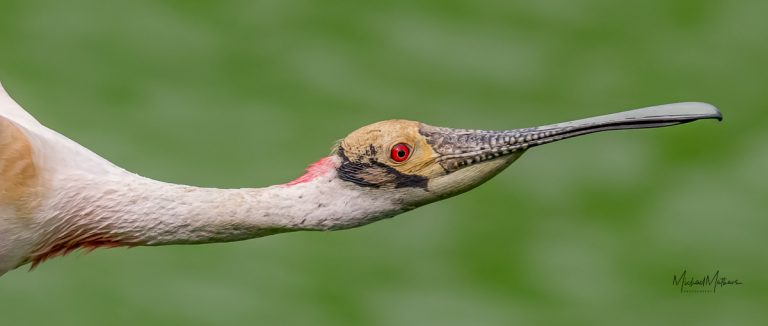
- Roseate Spoonbills
- Great Egrets
- Snowy Egrets
- Tricolored Herons
- Double-crested Cormorant
At the far end of the platform, look to the right for a small tree growing out of the water. There are usually several Great Egret nests there, including a couple with chicks.
When you have reached maximum sensory overload, head back and take the stairs down to ground level. Turn left and continue about 100 yards to another platform with a long bench.
Here you will be nearly eye-level with the nests. One Great Egret nest often contains a mother with three chicks that are easy to photograph. Keep an eye out for Anhinga as well. They sometimes perch in the little trees off to the left, looking like slightly annoyed feathered dragons drying their wings.
Dinner: Winnie and Fish Camp Glory
After a day like this, you deserve dinner.
Back in Winnie, stop at Tia Juanita’s Fish Camp.
Everything there is good, but the Blackened Redfish Pontchartrain deserves its own migration season.
Day Two: Marsh Birds, Owls, and One More Chance at Greatness
Morning: Jocelyn Nungaray National Wildlife Refuge
Start the second day by heading south on Highway 124 toward Jocelyn Nungaray National Wildlife Refuge.
Watch carefully because there are multiple roads with similar names. You want the third one on the left with the larger refuge sign.
Drive until you reach the small pond with the pavilion, restrooms, and gift shop.
Before you do anything else, look up.
In the pavilion ceiling there are often young Barn Owl peering out from the cutout area. They sit there looking mildly offended that you interrupted their morning.
Then continue past the shop and turn right toward Shoveler’s Pond.
Shoveler’s Pond
Shoveler’s Pond is one of those places where you drive slowly, stop often, and spend half the morning saying, “Wait… what is that?”
There are pullouts where you can stop without blocking traffic, and you should use them often. If you see something interesting, stop. The birds are usually patient as are the people.
You may see:
- Hundreds or even thousands of shorebirds
- Egrets and herons everywhere
- Gallinules, possibly even a Purple Gallinule
- Ducks
- Roseate Spoonbill
- Gulls and terns
- Dowitchers, sandpipers, and plovers
- Maybe rails, soras, bitterns, orioles, and something unexpected
- Alligators, because apparently the marsh likes to keep everyone alert
There is also a boardwalk that is usually worth exploring.
If You Still Have Energy…
At this point, most two-day groups are heading home with memory cards full and legs that feel as though they have hiked across three continents.
But if you still have energy and your caffeine reserves remain intact, you have options.
Option One: Sabine Woods (My Personal Favorite Spot For Spring Migration)
You might want to head to Sabine Woods Bird Sanctuary.
It is about an hour away and is usually best in the morning, but sometimes afternoon luck smiles on the persistent. In my opinion, this can be the single best spot on the coast for migrating songbirds.
When conditions are right, Sabine Woods can feel like someone tipped over a giant box labeled “Warblers” and forgot to put the lid back on.
Option Two: Sea Rim State Park
If you still have enough fuel left in the tank, continue west on Highway 87 to Sea Rim State Park.
Drive all the way to the boardwalk, which stretches for about 1.3 miles.
It has been a little slow lately because of the wind, but if the wind settles down, it can be excellent. Even if the boardwalk itself is quiet, the small ponds along the drive into the park often contain plenty of birds.
You can also head to the beach side of the park, where shorebirds often line the surf.
Two days may not be enough to see everything the upper Texas coast can offer, but this route gives you a very good chance to see warblers, shorebirds, marsh birds, rookery birds, owls, alligators, and perhaps a few species that send you scrambling for your field guide and muttering, “That cannot possibly be what I think it is.”
And honestly, that is part of the fun.
About The Author